Collagen Supplements: What They Can and Cannot Do for Skin and Joints
Collagen supplements are widely sold for skin elasticity and joint pain. This review explains what the research shows, the mechanism debate, and how to interpret trial results.
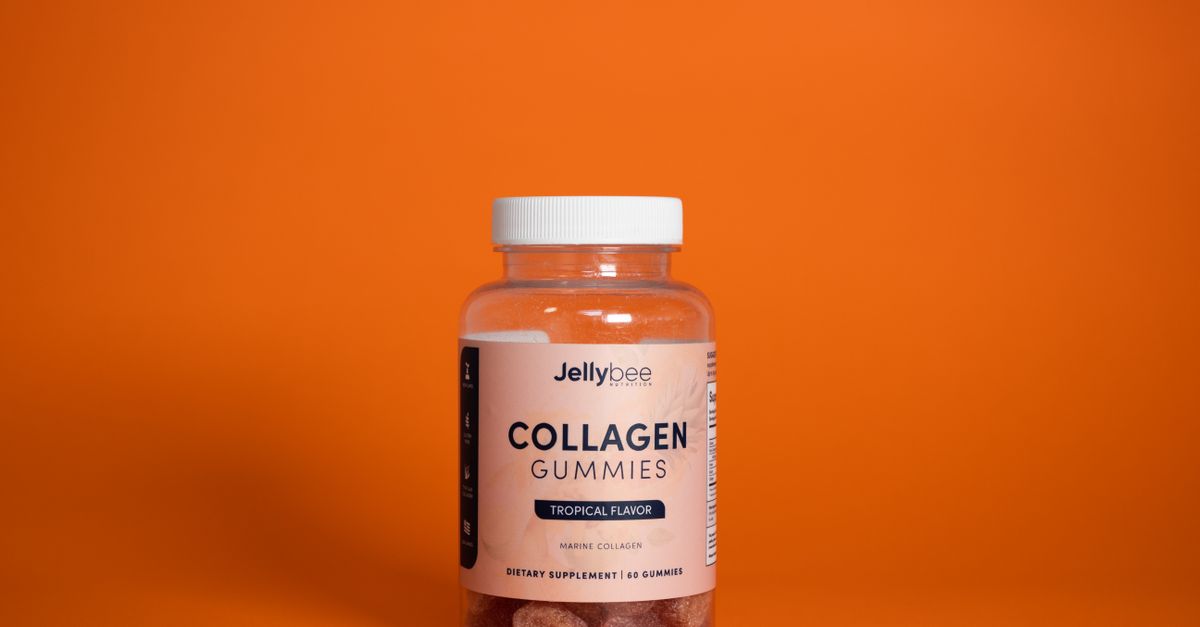
Quick Answer
Hydrolysed collagen peptides have moderate evidence for improving skin hydration and elasticity at 2.5–10 g/day after 8–12 weeks. Evidence for joint pain in osteoarthritis is preliminary to moderate.
Key Takeaways
- 01---
- 02Specific collagen-derived dipeptides (Pro-Hyp, Hyp-Gly) may survive digestion intact and act as signals to fibroblasts.
- 03Collagen is particularly rich in glycine and proline, which are conditionally essential amino acids in collagen synthesis.
- 04The signal is consistent enough to be considered real at the effect level, though the magnitude is modest.
- 05| Condition | Evidence Level | Notes |
Quick Answer
Hydrolysed collagen peptides have moderate evidence for improving skin hydration and elasticity at 2.5–10 g/day after 8–12 weeks. Evidence for joint pain in osteoarthritis is preliminary to moderate. The central mechanistic question — whether orally ingested collagen peptides specifically stimulate skin and joint collagen synthesis — is still not fully resolved.
The Mechanism Debate
When you eat collagen, digestive enzymes break it into amino acids and small peptides. The amino acids are the same as those in any protein source (mainly glycine, proline, hydroxyproline). The pro-collagen argument holds that:
- Specific collagen-derived dipeptides (Pro-Hyp, Hyp-Gly) may survive digestion intact and act as signals to fibroblasts.
- Collagen is particularly rich in glycine and proline, which are conditionally essential amino acids in collagen synthesis.
Some in vitro and animal data supports the signalling hypothesis. Whether this translates to meaningful collagen synthesis in humans at supplement doses is not yet fully established.
Skin Evidence
A 2021 systematic review of 19 RCTs (n=1,125) found hydrolysed collagen significantly improved skin hydration, elasticity, and wrinkle appearance compared to placebo. Most trials used 2.5–10 g/day for 8–24 weeks.
Limitations: Most studies were industry-funded. Placebo effects in appearance-related outcomes are significant. Blinding is difficult when the control is not another protein source.
The signal is consistent enough to be considered real at the effect level, though the magnitude is modest.
Joint Evidence
| Condition | Evidence Level | Notes |
|---|---|---|
| Osteoarthritis pain | Moderate | Several RCTs, inconsistent endpoints |
| Activity-related joint discomfort (athletes) | Preliminary | Small studies |
| Rheumatoid arthritis | Insufficient | No meaningful data |
A 24-week RCT in athletes (n=147) found collagen hydrolysate (10 g/day) combined with vitamin C reduced activity-related joint pain compared to placebo. The vitamin C addition complicates isolating the collagen effect.
Dosage Reference
| Goal | Dose | Duration |
|---|---|---|
| Skin outcomes | 2.5–10 g/day | 8–12 weeks minimum |
| Joint support | 10 g/day | 3–6 months |
| Type II undenatured collagen (UC-II) for joints | 40 mg/day | Different mechanism |
Note: UC-II collagen (40 mg undenatured) works via a completely different mechanism (oral tolerisation) than hydrolysed collagen and should not be compared dose-for-dose.
What You Are Mostly Paying For vs Generic Protein
At the amino acid level, collagen is an inferior protein source compared to whey or egg white (low in tryptophan; incomplete). You can achieve the same amino acid input from food protein, but potentially not the same specific collagen-derived peptides if the signalling hypothesis holds.
If budget is a concern, prioritising total dietary protein (1.2–1.6 g/kg/day) and adequate vitamin C (collagen synthesis requires vitamin C) provides the nutritional foundation regardless of collagen supplement use.
Safety Notes
- Collagen supplements are generally safe; GI discomfort at high doses is the most common side effect.
- Most collagen is derived from bovine or marine sources; relevant for people with specific religious dietary restrictions or pescatarian preferences (marine collagen).
- No established upper limit.
- Vegan collagen: Plant-based "collagen boosters" do not contain collagen and rely on cofactors (vitamin C, amino acids) to support endogenous synthesis. The marketing is misleading.
FAQ