Cacao Cardiovascular Meta-analysis: What the Evidence Says
Cacao Cardiovascular Meta-analysis has 2 source documents in the current Migaku evidence database. The strongest available sources in this first pass are mixe
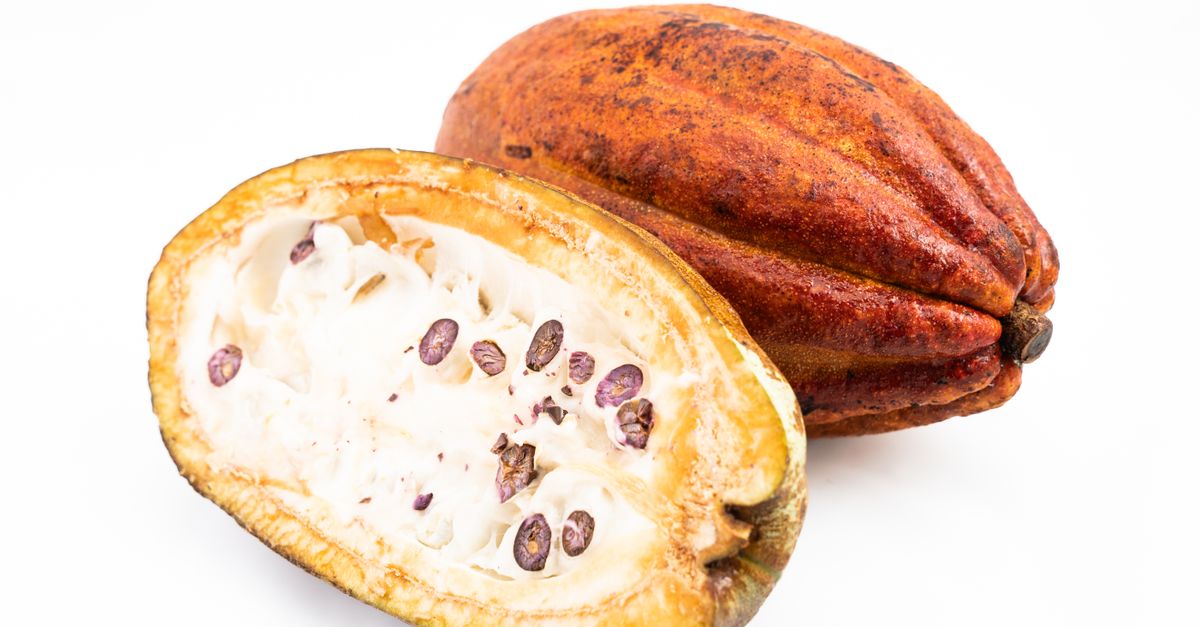
Quick Answer
Cacao Cardiovascular Meta analysis has 2 source documents in the current Migaku evidence database. The strongest available sources in this first pass are mixed biomedical and public health sources, so conclusions should be framed as evidence aware guidance rather than medical advice.
Key Takeaways
- 01This page is generated only from sources stored in the Migaku evidence knowledge base.
- 02Current evidence mix: 2 narrative review.
- 03Claims should be interpreted with the source type, study design, population, and publication date in mind.
- 04This article is educational and does not replace care from a qualified clinician.
Cacao Cardiovascular Meta-analysis: What the Evidence Says
Quick Answer
Cacao Cardiovascular Meta-analysis has 2 source documents in the current Migaku evidence database. The strongest available sources in this first pass are mixed biomedical and public-health sources, so conclusions should be framed as evidence-aware guidance rather than medical advice.
Key Takeaways
- This page is generated only from sources stored in the Migaku evidence knowledge base.
- Current evidence mix: 2 narrative review.
- Claims should be interpreted with the source type, study design, population, and publication date in mind.
- This article is educational and does not replace care from a qualified clinician.
Evidence Map
| Source | Evidence type | Level | Date | Identifier |
|---|---|---|---|---|
| Cardiovascular Protective Effects and Mechanisms of Action of Cacao: A Comprehensive Review | narrative review | 3 | 2026-02-03 | 10.31083/RCM45461 |
| Unraveling the complexities of caffeine: metabolism, genetics, evolution, and health | narrative review | 3 | 2026-02-02 | 10.1186/s41065-026-00648-z |
What The Sources Report
- Managing risk factors through healthy eating habits and regular exercise is crucial for CVD prevention. [Lee Yu Geon (2026); evidence level 3]
- Unsaturated fatty acids found in olive oil and nuts can help prevent CVDs by regulating cholesterol metabolism. [Lee Yu Geon (2026); evidence level 3]
- However, despite its universal consumption, individuals exhibit striking variability in their responses to caffeine-ranging from heightened alertness and improved performance to debilitating anxiety, insomnia, and varied cardiovascular effects. [Liu Xinyi (2026); evidence level 3]
- The complexity of this genetic architecture was recently underscored by a systematic review, which synthesized evidence from over 1.85 million individuals, confirming the roles of key genes like andand further highlighting the polygenic nature of caffeine intake, involving both metabolic and reward pathways. [Liu Xinyi (2026); evidence level 3]
How To Read This Evidence
Evidence level 1 generally reflects systematic reviews or meta-analyses. Level 2 includes randomized trials, guidelines, or public-health guidance. Level 3 usually reflects observational or narrative-review evidence. Level 4 is weaker or early-stage evidence. The level is a sorting aid, not a final quality grade.
Practical Interpretation
For cacao cardiovascular meta-analysis, the current source set is useful for orientation, but it is not yet broad enough for strong claims. Use cautious language and keep conclusions close to the cited sources.
Limits Of This First Pass
This is a small-batch MVP article. It uses the first ingested sources for this topic and should be expanded with more targeted searches, license review, and human editorial checks before being treated as a definitive review.
References
- Lee Yu Geon (2026). Cardiovascular Protective Effects and Mechanisms of Action of Cacao: A Comprehensive Review. DOI: 10.31083/RCM45461. PMCID: PMC12960007. PMID: 41789316. License: CC BY 4.0. https://pmc.ncbi.nlm.nih.gov/articles/PMC12960007/
- Liu Xinyi (2026). Unraveling the complexities of caffeine: metabolism, genetics, evolution, and health. DOI: 10.1186/s41065-026-00648-z. PMCID: PMC12954933. PMID: 41622288. License: CC BY 4.0. https://pmc.ncbi.nlm.nih.gov/articles/PMC12954933/
Safety Note
Health information can change, and individual risk depends on medical history, medications, pregnancy status, age, and diagnosis. Talk with a qualified clinician before changing treatment, supplement, or medication routines.
FAQ
Frequently Asked Questions
Medically reviewed
Last reviewed July 26, 2026 by Migaku Evidence Review